
Mobile Notary vs Online Notary in Massachusetts: Which One Do You Need?
A commissioned notary who comes to you with an ink seal, or a recorded video session that ends in a sealed PDF. This guide shows you which fits your document, and why the receiving party gets the final say.
Mobile notary vs online notary: the short answer
Choose a mobile notary when the document is going to a registry of deeds, a probate court, a consulate, a passport agency or a lender, when the signer is elderly, hospitalized or uncomfortable on camera, or when witnesses must be in the room. Choose an online notary for a routine affidavit, consent, contract or business form when the receiving party has confirmed it accepts remote online notarization and the signer has a current ID, a camera and a quiet half hour.
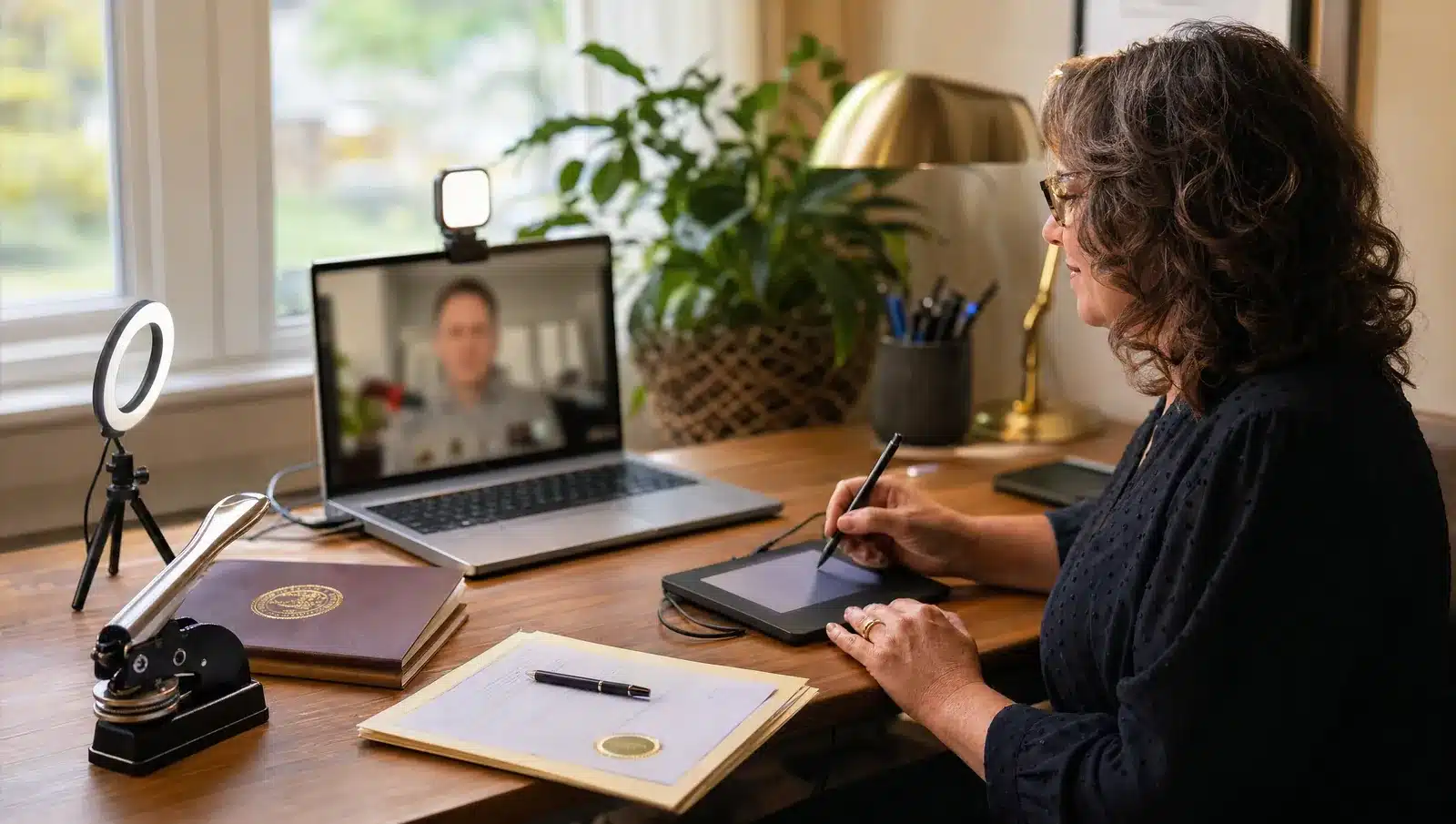
Both are legally valid in Massachusetts, but they produce different objects. A mobile visit ends with your original paper document carrying a wet-ink signature, a physical seal and a handwritten certificate. A RON session ends with a tamper-evident PDF carrying an electronic signature and seal, plus a video recording held by the notary.
Receiving parties care about that difference far more than the law does. The Middlesex North Registry of Deeds in Lowell, a Suffolk Probate and Family Court docket, a consulate on Boylston Street and a title underwriter each decide which object they will accept. If the recipient has not confirmed in writing that an online notarization is fine, book the in-person option.
We perform both. Hanson Webb has been a Massachusetts notary public since 2007 and handles mobile visits across Greater Boston, the Merrimack Valley and Central Massachusetts, in-office appointments in Tewksbury, and remote online notarization by appointment.
How does remote online notarization work in Massachusetts?
Remote online notarization in Massachusetts is authorized by 2023 Acts c.2, which added permanent RON provisions to the notary statute, M.G.L. c.222. The signer and notary meet on an approved audio-video platform, the notary verifies identity electronically, the signer signs electronically, and the notary attaches an electronic signature and seal while the session is recorded.
Under the Massachusetts RON law, the notary must hold a Massachusetts commission and be physically located in Massachusetts during the session; the signer can be elsewhere, including out of state, subject to the limits in the law.
Registration and platform. A notary who performs RON registers with the Secretary of the Commonwealth as a remote notary and uses communication technology that meets the state’s standards. Not every Massachusetts notary has done this, so ask. Our RON notary Massachusetts page explains how to book.
Identity proofing. In person, a notary compares your license or passport to your face. Online, the Massachusetts RON law requires a stronger stack: credential analysis on a photo of your government ID, identity questions drawn from public and credit records, and a live video comparison by the notary. If any layer fails, the session stops. Signers with thin credit files or expired IDs fail these checks more often than people expect.
The session and the record. The notary confirms you understand the document and are signing willingly, you apply an electronic signature, and the notary completes an electronic certificate stating the act was performed by remote online notarization. The recording and a journal entry are retained for the period the law requires, and you download a tamper-evident PDF. The session usually takes 15 to 30 minutes once the identity checks pass; confirming in advance that the recipient will honor the result takes longer.
When will a receiving party reject an online notarization?
A receiving party rejects an online notarization when its own rules, not Massachusetts law, require an original paper document with a wet-ink signature and physical seal. In Massachusetts this happens most at registries of deeds, the Probate and Family Court, foreign consulates, mortgage lenders and title underwriters, and the apostille desk at the Secretary of the Commonwealth.
Registries of deeds. Massachusetts has 21 registry districts, each with its own practices for electronically notarized instruments. Under the Massachusetts RON law, remote notarization of documents affecting real property carries additional restrictions, and in practice the closing attorney and the registry decide what gets recorded. A deed signed in Andover and headed for the Essex North Registry in Lawrence is safest with in-person notarization. See our real estate document notary page.
Probate and Family Court. Wills, codicils, guardianship petitions and many estate filings are presented as original paper documents. A will is signed before two witnesses under M.G.L. c.190B, and the optional self-proving affidavit is what the notary signs; courts expect it on the same paper original, which rules out a RON PDF for almost every will signing.
Consulates and foreign authorities. Consulates that legalize documents for use abroad generally want an ink signature and a seal they can inspect. Powers of attorney for property in Lebanon, Morocco, Egypt or Haiti, which we see weekly in Arabic and French, are in-person work.
Lenders and title underwriters. Some lenders accept RON for some loan documents; many do not, and the title underwriter can veto what the lender allows. Because Massachusetts requires a licensed attorney to conduct the closing, the attorney’s instructions control. We act as the loan signing agent supporting the closing attorney, title company or lender.
Apostille. The Commissions Section of the Secretary of the Commonwealth authenticates a notary’s signature and seal on a paper document. A remotely notarized PDF does not fit that workflow, and the foreign ministry receiving it may reject a printout regardless. If your document is going abroad, start with our Massachusetts apostille service and plan on an in-person notarization.
In-person vs online notary: side-by-side comparison
Mobile wins on acceptance, document range and witnesses; online wins on speed for simple documents and on distance.
Cost
Mobile: flat zone rate from $125 per visit including travel, one seal and 15 minutes; extra seals quoted.
Online: per-session fee quoted at booking, usually the lower price for one signer and one document. In-office in Tewksbury is $45 per act.
Speed
Mobile: same-day across most of our area, typically one to four hours from your call to a notary at your door, seven days a week.
Online: a 15-to-30-minute session once the identity checks pass. Failed ID proofing resets the clock.
ID checks
Mobile: the notary inspects your physical ID, compares it to you in person and records the act in a paper journal.
Online: credential analysis of an uploaded ID, knowledge-based questions and a recorded video comparison. Stronger on paper, but it fails for some honest signers.
Document types
Mobile: every notarial act under M.G.L. c.222 s.15 on any paper document, including wills with the family’s witnesses present.
Online: affidavits, consents, contracts, business resolutions and many powers of attorney where the recipient has agreed to RON.
Acceptance
Mobile: accepted everywhere a notarization is accepted: registries, courts, consulates, lenders, the apostille desk.
Online: accepted where the recipient has decided to accept it. Ask first, in writing.
Witnesses
Mobile: your own witnesses sign at the same table. We do not provide, bring or arrange witnesses; you arrange them.
Online: witnesses must join the video session and clear their own identity checks. Wills are out.
Not sure which one your document needs?
Tell us where the document is going and we will say whether mobile, in-office or online is the right call.
Which documents must be notarized in person in Massachusetts?
Four categories should always be signed in person in Massachusetts: wills and codicils with their witnesses, most documents headed for a registry of deeds, the DS-3053 passport consent for a minor, and Form I-9 employment verification, which is not a notarization but a physical inspection of original documents. Add anything bound for a consulate or an apostille.
Wills and codicils. Under M.G.L. c.190B a will is signed by the testator in the presence of two witnesses who also sign. The notary’s role is the self-proving affidavit, which lets the will be admitted without tracking the witnesses down later. Everyone is in one room, on one paper original. You arrange the two witnesses; we do not supply them. See our trusts and wills notary page.
Real estate recordings. Deeds, mortgages, discharges, declarations of homestead and 6D certificates are recorded on paper or through the closing attorney’s e-recording account. Registries and closing attorneys overwhelmingly expect in-person notarization, and the RON law itself treats documents affecting real property differently.
DS-3053. When one parent cannot appear for a child’s passport application, the absent parent signs Form DS-3053 before a notary and attaches a photocopy of the ID shown. Passport agencies process the original paper form with the notary’s ink seal, not an electronically sealed PDF.
Form I-9. Federal rules require the employer or its authorized representative to physically examine the new hire’s original identity and work-authorization documents, with a narrow remote alternative limited to E-Verify employers. A video notarization does not satisfy that rule, and the I-9 takes no notary seal. We complete I-9s as the employer’s authorized representative; see I-9 form notary service.
For a signer in a hospital bed or nursing home, in person is also the humane choice; see our hospital notary service.
Is online notarization secure? Fraud considerations for each method
Both methods are secure when performed correctly, and each is weak in a different place. In-person notarization relies on a trained notary looking at a physical ID and a live human; its weak point is a skilled forged ID. Remote online notarization relies on credential analysis, knowledge-based questions and a recording; its weak points are stolen identity data and coercion off camera.
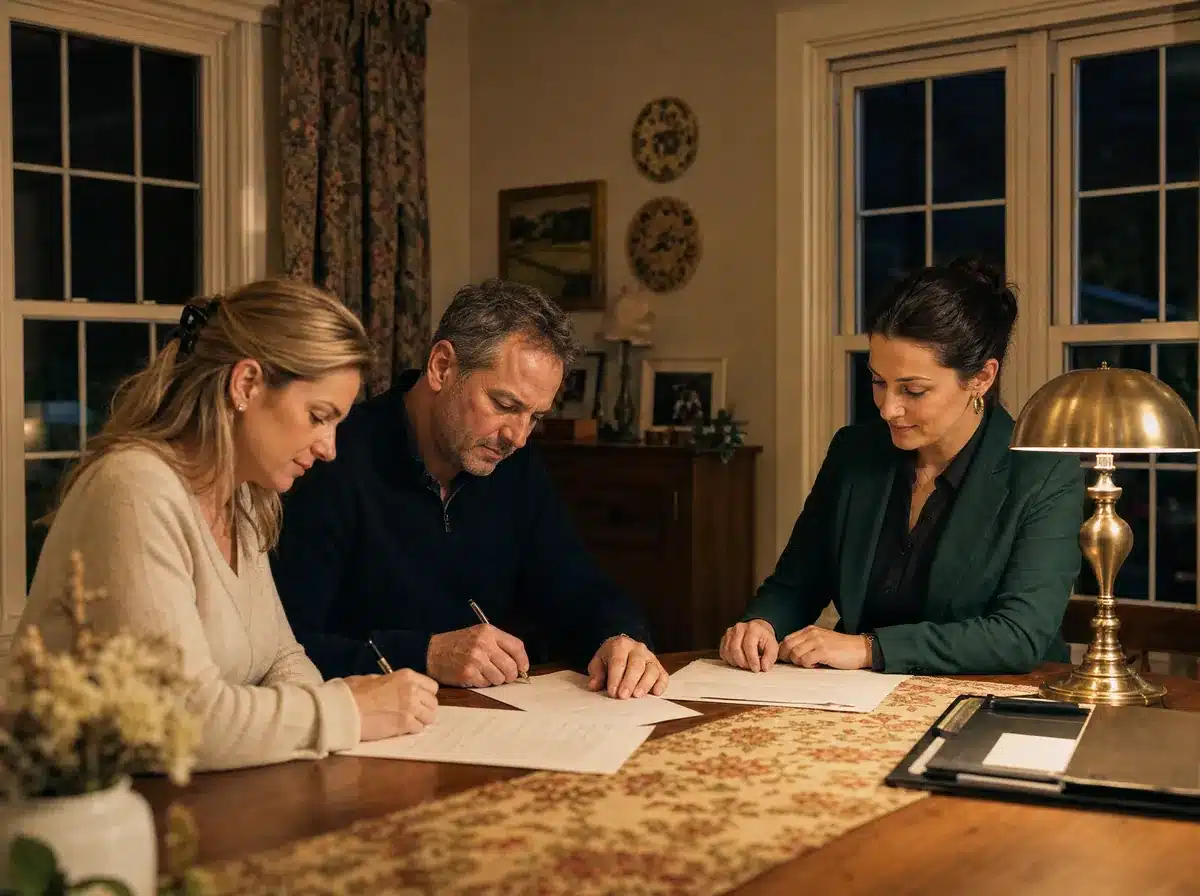
What in-person does well. The notary sees the whole room. A relative hovering over a frail parent, a signer who cannot explain the document, a license whose photo does not match: these are caught at the kitchen table in ways a webcam does not reliably capture, and that matters for the undue-influence claims that follow powers of attorney and deeds into court. Massachusetts notaries follow M.G.L. c.222 and keep a journal under section 22; see what ID is accepted for notarization in Massachusetts.
What online does well. Credential analysis reads a license’s security features more consistently than a human eye, and the identity questions make it hard to impersonate someone with only a stolen card. The recording deters false denials, and the electronic seal makes any later edit to the PDF detectable.
Where each is weaker. Knowledge-based questions draw on data that has been breached repeatedly, so a fraudster with a victim’s full file can pass them, and someone can stand just outside the camera frame. The same system that suits a 35-year-old in Somerville can lock out an 82-year-old in Dracut with an expired license. In person, no recording exists, so disputes come down to the journal, the certificate and the notary’s testimony.
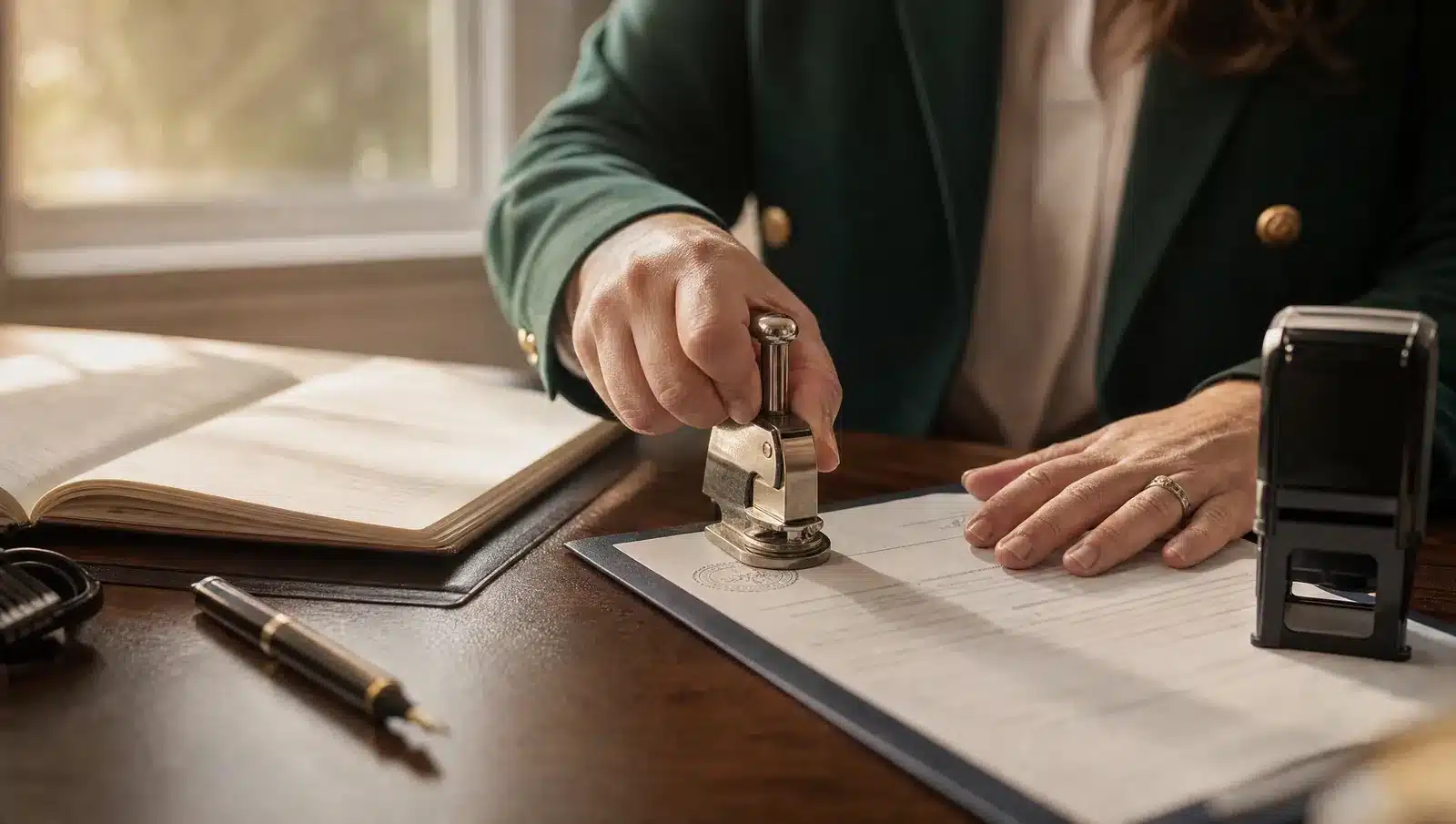
A notary, in person or online, cannot give legal advice, draft your document or explain its legal effect. Whether a document will hold up is a question for an attorney; our guide to Massachusetts notary vs attorney explains where the line sits.
How much does a mobile notary cost compared with an online notary?
A mobile notary visit with HireMobileNotary.com starts at $125, and every rate includes travel, one notarial seal and 15 minutes of service. A remote online notarization session is quoted when you book and is usually the lower number for a single signer with a single document; the gap closes fast with several documents or signers, because the mobile rate covers the visit and only extra seals are added.
Mobile pricing by zone. Zone 1, our home base, covers Tewksbury, Gardner, Ashby and Athol from $125 per visit. Zone 2, the most booked, covers Lowell, Billerica, Andover, Chelmsford, Dracut, Lawrence, Worcester, Fitchburg, Leominster, Concord, Burlington, Woburn and 40+ other towns from $179. Zone 3 covers Boston, Cambridge, Newton, Lexington, Wellesley, Weston, Lynn, Gloucester, North Andover and 110+ other communities from $250, with hospital and nursing-home visits included. Extra seals, signers and after-hours premiums are quoted before we dispatch. The full table is on our notary zones page.
In-office pricing. If you can come to 1215 Main St, Suite 115 in Tewksbury, in-office notarization is $45 per notarial act by appointment, often the lowest total cost for one or two documents.
Online pricing. Our RON fee is quoted at booking and depends on documents, signers and seals. There is no travel component, but each signer must clear identity proofing separately.
Three worked examples. A single affidavit for a signer in Texas whose Massachusetts attorney accepts RON: online wins. A five-document estate package for a couple in Chelmsford, with their own two witnesses for the will: one Zone 2 visit at $179 plus extra seals beats five online sessions, and the will cannot be done online anyway. A power of attorney at a Boston hospital bedside on a Sunday: Zone 3 at $250, with no practical online alternative.
Loan signings are quoted by complexity. For surcharges, read what a mobile notary costs in Massachusetts.
How to choose between a mobile notary and an online notary in 60 seconds
Run your document through these five questions in order. The first answer that points to in person settles it; if none does, online notarization is a reasonable choice.
- Where is the document going?
Registry of deeds, probate court, consulate, passport agency, apostille or a lender that has not approved RON: book a mobile or in-office notary. A party that has confirmed RON in writing: online is on the table.
- Does it need witnesses?
Wills, codicils and many health care proxies need witnesses in the room. You arrange your own witnesses; we do not provide them. Witnesses point to in person.
- Who is signing, and where?
Elderly, hospitalized, recently renamed or without a current ID: in person. Out of state, tech-comfortable, with a valid license and a credit history: online works well.
- How many documents and signers?
One signer, one document: online or in-office is cheapest. Several documents or signers at one address: a single mobile visit usually costs less and finishes faster.
- How fast, and when?
Both can be same-day. A mobile visit is confirmed within the hour during business hours, seven days a week; an online session depends on the identity checks passing.
Still split? Call (978) 424-4629 and describe the document and its destination. If a closed storefront sent you searching for a notary public near me, a traveling notary and an online session are both available the same evening.
Mobile notary vs online notary FAQ
Is online notarization valid in Massachusetts?
Yes. Massachusetts authorized remote online notarization in 2023 Acts c.2, which added permanent RON provisions to M.G.L. c.222. The notary must hold a Massachusetts commission, be registered for remote notarizations and be physically in Massachusetts during the recorded session. Validity is separate from acceptance: registries, courts, consulates and lenders set their own rules.
What is the difference between a mobile notary and an online notary?
A mobile notary travels to your home, office, hospital or care facility and notarizes your paper document in person with an ink signature and physical seal. An online notary meets you on an approved video platform, verifies your identity electronically and applies an electronic signature and seal to a PDF. The method, the output and the acceptance differ.
Can a will be notarized online in Massachusetts?
Practically, no. A Massachusetts will is signed before two witnesses under M.G.L. c.190B, and the self-proving affidavit the notary completes belongs on the same paper original that the Probate and Family Court will receive. Sign wills in person with your own two witnesses present. We do not provide witnesses.
Will the registry of deeds accept a remotely notarized deed?
Do not assume so. Massachusetts registries and closing attorneys overwhelmingly expect in-person notarization on deeds, mortgages and discharges, and the Massachusetts RON law applies additional restrictions to documents affecting real property. Confirm with the closing attorney before booking an online session; when in doubt, use a mobile notary.
Which is cheaper, a mobile notary or an online notary?
For one signer and one document, an online session is usually cheaper because there is no travel. For several documents or signers at one address, a single mobile visit from $125 including travel, one seal and 15 minutes is often the better value. In-office notarization in Tewksbury is $45 per act. Our RON fee is quoted when you book.
What do I need for a remote online notarization session?
A current government-issued photo ID, a computer or phone with a camera and microphone, a stable internet connection, a quiet private room and the document in electronic form. You will photograph your ID for credential analysis and answer identity questions before the notary joins. Any witnesses must join the session and pass the same checks.

1,190+ signings across Greater Boston and the Merrimack Valley, in person and by remote online notarization. Background screened, bonded and E&O insured. Fluent in English, Arabic and French. About Hanson


