How to Notarize a Vehicle Bill of Sale in Massachusetts

Massachusetts vehicle bill of sale notarization. RMV requirements, signer documents, mobile notary across Boston, Lowell, Cambridge, Andover, Worcester.

Notary Public Service performing Signature Witnesses, Oath Administration, Copy Certification, Mortgages, Last Wills and Testaments. Serving Andover,Tewksbury, Lowell, Dracut, Chelmsford, Woburn, Wilmington, Billerica
Massachusetts vehicle bill of sale notarization. RMV requirements, signer documents, mobile notary across Boston, Lowell, Cambridge, Andover, Worcester.

Massachusetts quitclaim deed notarization explained. Recording fees, witness rules and same-day mobile service in Boston, Lowell, Cambridge, Andover, Worcester.
Massachusetts notaries can and must refuse to notarize in specific situations. Eight common reasons explained, plus what to do when refused.

A document notarized in another state is generally valid in Massachusetts but has limits. Learn when out-of-state notarization works and when it fails.
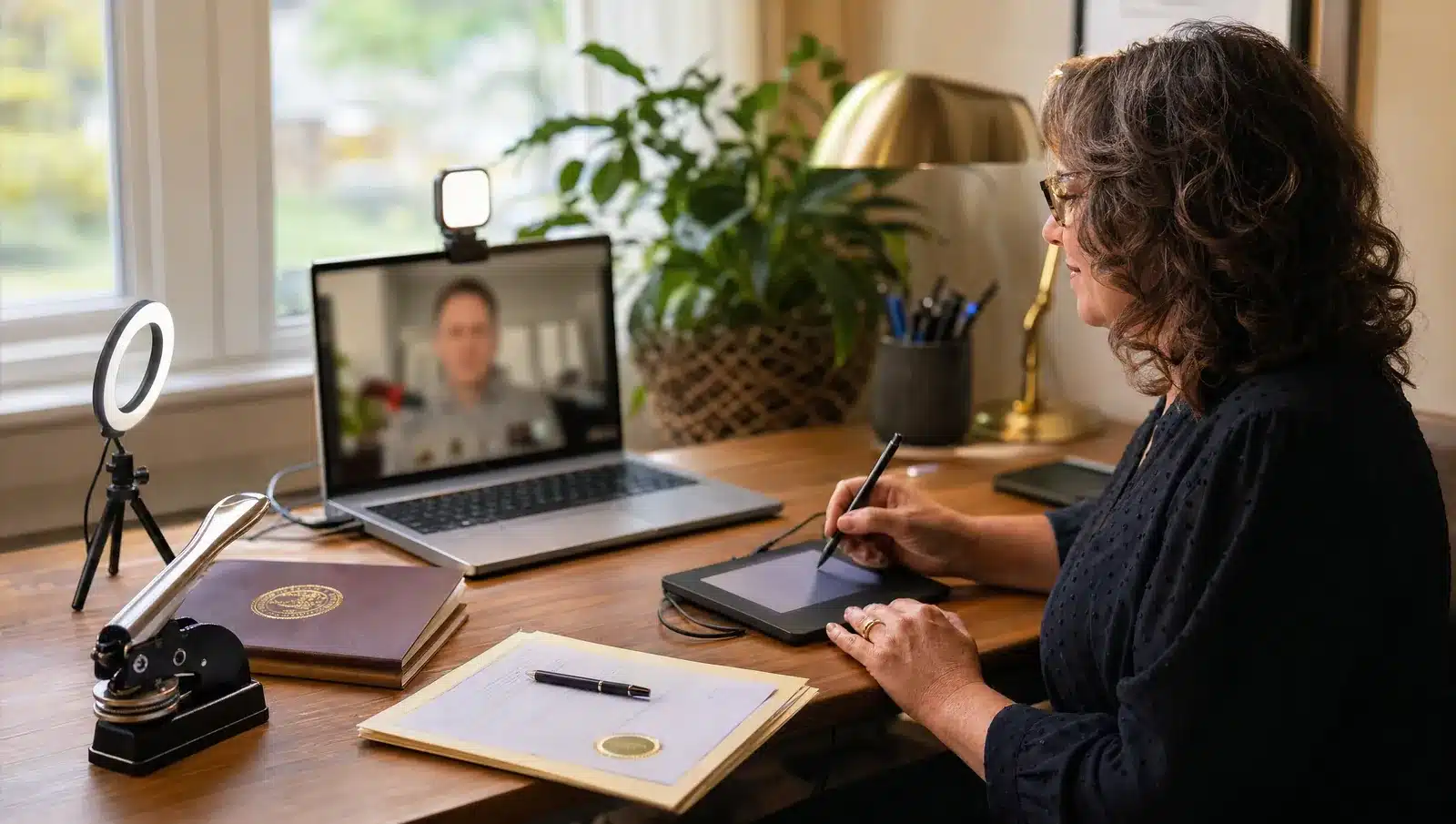
Mobile, online and in-office Massachusetts notaries compared side by side. Cost, speed, document compatibility and which scenarios fit each option.
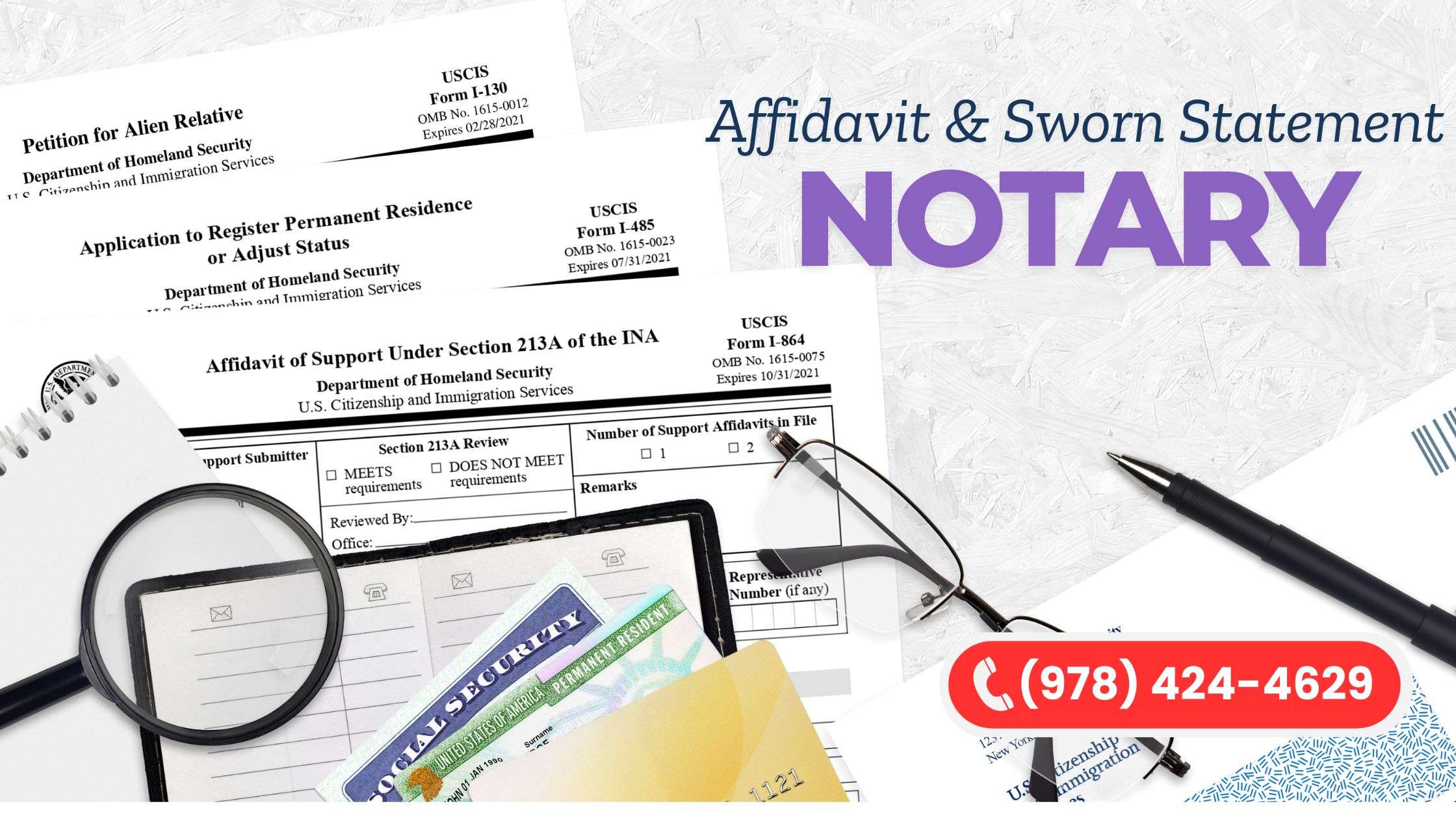
Massachusetts notary acknowledgment and jurat are not the same. Learn which one your document needs and what each phrase actually means in plain English.

International employers, foreign universities, licensing boards, and immigration authorities frequently require an apostilled diploma from graduates of Massachusetts institutions. The process is more involved than most graduates expect — because a university diploma is a private document, not a government-issued one, and the Secretary of Commonwealth cannot simply apostille the university’s signature directly. An intermediate notarization step is required. Skipping it is the most common reason diploma apostille requests are returned without processing.

The documents that protect an aging parent — powers of attorney, healthcare proxies, wills — must be executed while the parent still has full legal capacity. Waiting for a health crisis to force the conversation often means the window has closed, leaving families with no legal authority to act and a costly, adversarial guardianship proceeding as the only alternative. This guide covers what needs to be notarized, what the hospital and nursing home process looks like, what Massachusetts law says about physical incapacity, and how mobile notary services support elder care situations across the state.
Most Massachusetts residents focus on getting the will itself correct and treat the self-proving affidavit as an optional formality they can add later. This is a mistake with potentially significant consequences for the estate. The affidavit is a small additional step at the original signing that can save the estate substantial time and expense during probate — and it becomes impossible to add later if the original witnesses are no longer available, which is more common than families anticipate.

The confusion between notaries and attorneys is one of the most consequential misunderstandings in consumer legal matters. Both handle important documents. Both can work alongside each other in real estate closings, estate planning, and business transactions. But their legal authority and responsibilities are fundamentally different under Massachusetts law — and choosing the wrong one for the wrong task can leave you with an invalid document, a rejected application, or legal consequences you cannot easily undo.